
How the Debt-to-Income Ratio Can Lower Your EMI Stress
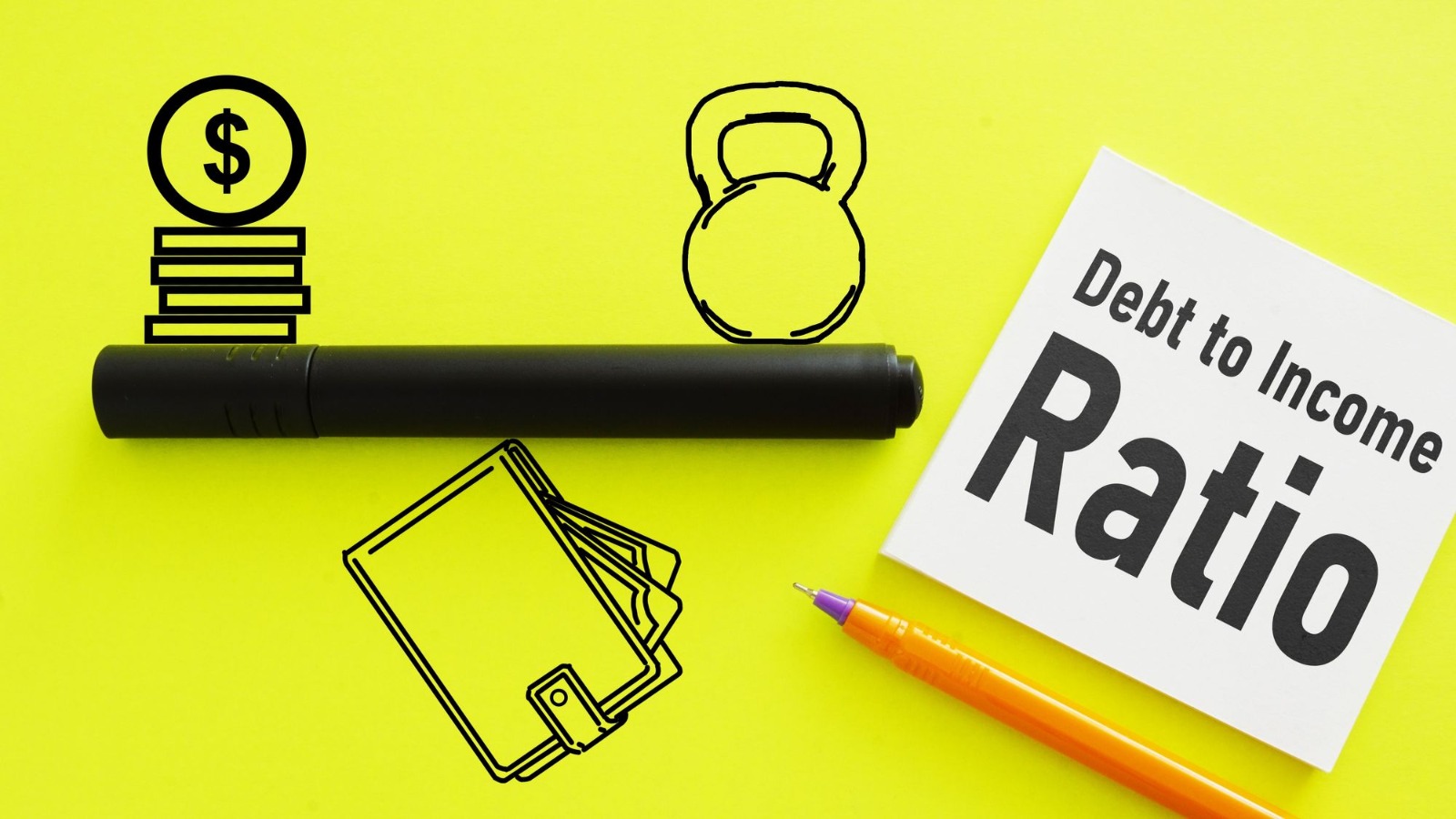
The “Debt-to-Income Ratio” can help reduce the burden of EMIs; Know how it can save your budget: Nowadays, almost everyone has some kind of loan, whether it’s a home loan, car loan, or personal loan. The combined EMIs (Equated Monthly Installments) often put a significant strain on the monthly budget. In such a situation, the Debt-to-Income Ratio (DTI) is a crucial metric that indicates how much debt you have compared to your income and whether you can handle a new EMI.
What is the Debt-to-Income Ratio?
DTI is the ratio of your total monthly loan payments and other debt obligations to your monthly income. For example, if your monthly income is ₹50,000 and your total EMIs are ₹20,000, your DTI would be 40%. Banks and financial institutions use this ratio to determine whether it’s safe to give you a new loan.
How does DTI help in managing the EMI burden?
- A DTI (Debt-to-Income ratio) of less than 30-40% is considered safe.
- A DTI above 50% indicates that a large portion of your income is going towards debt repayment.
- A high DTI can make it difficult to obtain new loans and increases the risk of financial difficulties.
The Role of DTI in Bank and Loan Approval: Banks check your Debt-to-Income (DTI) ratio before approving any new loan. If the ratio is high, the bank believes you may have difficulty repaying the EMIs (Equated Monthly Installments). This is why people with a lower DTI ratio get loans more easily, and may even qualify for lower interest rates.
Ways to Reduce Your EMI Burden:
- Try to limit the number of loans you take out and avoid unnecessary borrowing.
- If possible, reduce your EMI burden by making prepayments.
- Increase your income and control your expenses to maintain a balanced DTI ratio.
- Calculate your DTI before taking out any new loan and ensure it is within a safe limit.
ALSO READ: How long will it take to build a ₹10 lakh fund with a ₹1000 SIP? See the calculation