

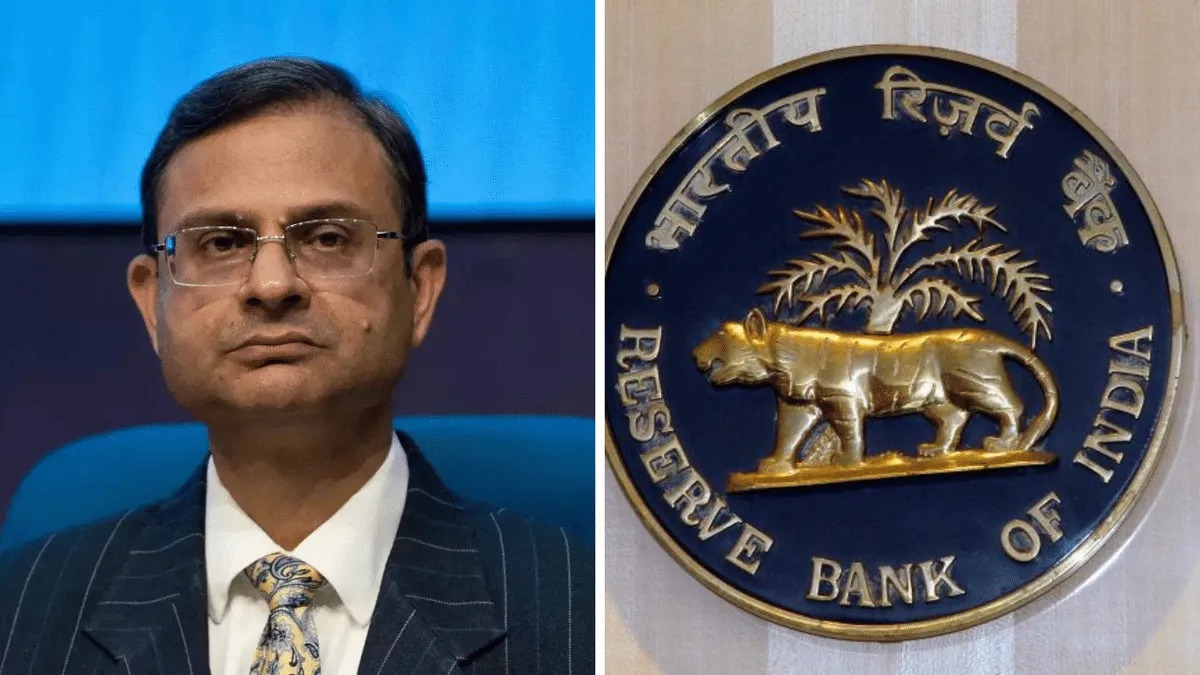
RBI Reduced Repo Rate, Know the important things about the monetary policy
RBI Repo Rate: The Reserve Bank of India (RBI) has cut the repo rate by 0.25 percent. With the implementation of the new rates, EMIs on home loans, car loans, and other retail loans are expected to decrease further. This will leave consumers with more money in their pockets and is expected to increase demand, potentially boosting economic growth.
However, if banks make loans cheaper, interest rates on fixed deposits (FDs) may decline slightly in the coming months, as banks typically adjust interest rates in both directions.
The three-day meeting of the RBI’s Monetary Policy Committee (MPC) began on Wednesday. On Friday, RBI Governor Sanjay Malhotra shared the results, stating that the repo rate had been cut to 5.25 percent.
The RBI has reduced the repo rate by a total of 1 percent in three rounds since February. However, the repo rate was kept stable at 5.5 percent during the previous two review meetings. This decision to reduce the rate was also possible because retail inflation reached a decade low of 0.25 percent in October, while wholesale inflation also declined by 1.21 percent.
Inflation Forecast Reduced: The RBI now expects retail inflation to be 2% during FY 2026. Previously, this estimate was 2.6%. Retail inflation forecasts have been reduced from 1.8% to 0.6% for the October-December 2025 quarter, from 4% to 2.9% for the January-March 2026 quarter, and from 4.5% to 3.9% for the April-June 2026 quarter. Retail inflation is projected to be 4% during July-September 2026.
The RBI has projected a GDP growth rate of 7.3% for the fiscal year 2026. Previously, this estimate was 6.8%. Growth is projected to be 7% for the October-December 2025 quarter and 6.5% for the January-March 2026 quarter. Growth is projected to be 6.7% for the April-June 2026 quarter and 6.8% for the July-September 2026 quarter.