

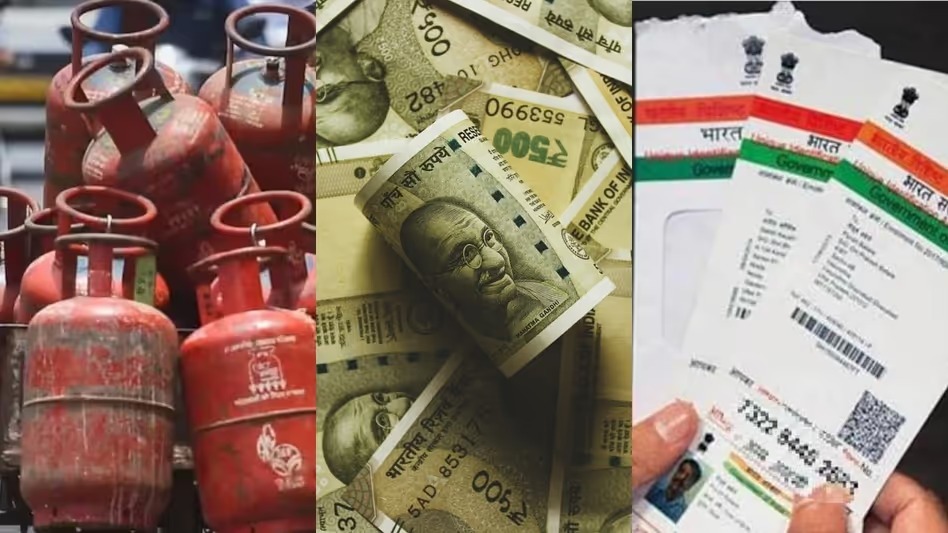
Rule Changes From 1st January
As 2025 comes to an end, several important rule changes will take effect from January 1, 2026. These changes will impact daily life, finances, banking, fuel prices, salaries, and big purchases like cars. Knowing these updates in advance can help with better planning.
LPG and Fuel Prices: LPG gas cylinder prices, both domestic and commercial, will be reviewed on January 1. In December, commercial LPG prices were reduced by Rs. 10. Because of this, there is hope that domestic cylinder prices may also decrease, easing household budgets.
Aviation fuel prices may also change. If fuel prices rise, airfare prices may increase. If fuel becomes cheaper, flight fares may come down.
Car Prices to Increase: Buying a car in 2026 may be more expensive. Several automobile companies have announced price hikes starting in January.
Honda may increase prices by 1–2 percent. Nissan is planning a hike of around 3 percent, while MG may raise prices by up to 2 percent. BYD’s Sealion 7 will also become costlier. Luxury brands like Mercedes-Benz may increase prices by 2 percent, while BMW may increase prices by up to 3 percent.
Changes for Government Employees and Workers: The 8th Pay Commission is expected to be implemented from January 1, 2026, as the 7th Pay Commission ends on December 31, 2025. This could lead to higher salaries for central and state government employees.
There is also a possibility of an increase in Dearness Allowance (DA). Some states, such as Haryana, are considering raising minimum wages for part-time and daily wage workers.
Aadhaar, PAN, and Banking Rule Changes: The deadline to link PAN with Aadhaar is December 31, 2025. If the linking is not completed, the PAN will become inactive from January 2026. This can affect banking transactions, investments, and income tax returns (ITRs) filing.
A new ITR form may also be introduced, featuring pre-filled bank and expense details. Additionally, credit score agencies will now update data weekly instead of every 15 days, meaning loan and credit card impacts will reflect faster.